
Photo for illustrative purposes only.
Find out more
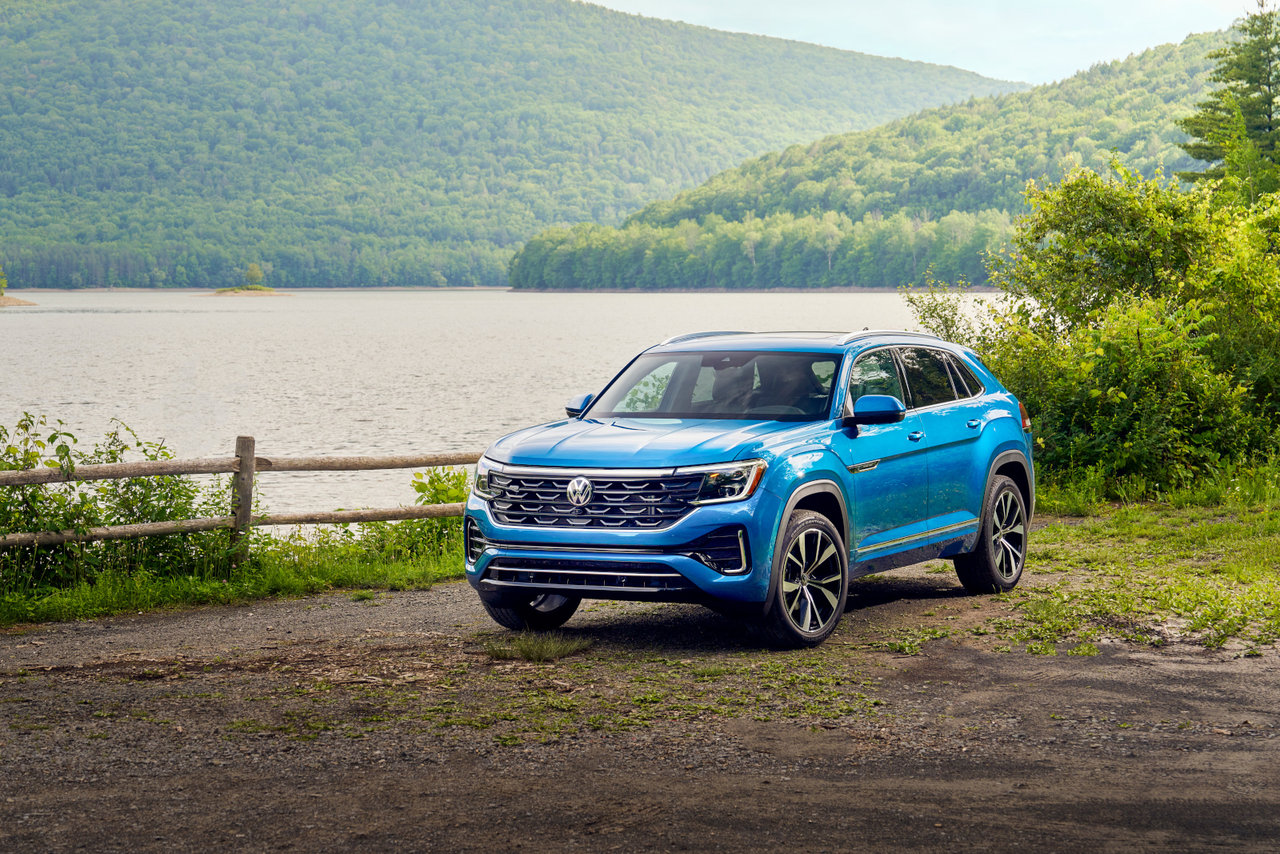
Two rows or three? A higher roofline or a sleeker profile? For families shopping the 2026 Volkswagen Atlas lineup, the choice between the Atlas and the Atlas Cross Sport comes down to what your daily life actually looks like. Both models share the same turbocharged engine, the same towing muscle, and the same 4MOTION All-Wheel Drive — the differences are about layout, cargo, and passenger capacity.
Understanding exactly where these two vehicles diverge makes the decision straightforward. If your household needs seven seats and the most cargo flexibility possible, the Atlas makes a strong case. If you typically travel with five and want a more dynamic exterior profile with no trade-off in towing or technology, the Atlas Cross Sport is built for exactly that. Here is what you need to know.
|
Feature |
2026 Atlas |
2026 Atlas Cross Sport |
|---|---|---|
|
Seating Capacity |
7 passengers |
5 passengers |
|
Cargo Space (seats folded) |
2,735 L |
2,197 L |
|
Towing Capacity |
5,000 lbs (2,268 kg) |
5,000 lbs (2,268 kg) |
|
Engine |
2.0 TSI 2.0 L 4-cylinder |
2.0 TSI 2.0 L 4-cylinder |
|
Horsepower & Torque |
269 hp & 273 lb-ft |
269 hp & 273 lb-ft |
|
Drivetrain |
4MOTION AWD |
4MOTION AWD |
|
Fuel Economy (combined) |
11.0 L/100 km |
10.7 L/100 km |
Pull up a hill or merge onto a highway — both Atlas models respond with the same 2.0 L 4-cylinder TSI engine producing 269 hp and 273 lb-ft of torque, paired with an 8-speed automatic transmission. 4MOTION All-Wheel Drive is standard across the lineup on both vehicles, so traction in wet or mixed conditions is built in from the base trim up.
Towing capacity is also identical: both the Atlas and Atlas Cross Sport are rated at 5,000 lbs (2,268 kg) with a towing package — a figure that covers most trailers, boats, and utility loads that families haul on weekends. The Atlas Cross Sport edges ahead on fuel efficiency at 10.7 L/100 km combined versus 11.0 L/100 km for the Atlas, a modest difference that reflects the Cross Sport's slightly lighter curb weight.
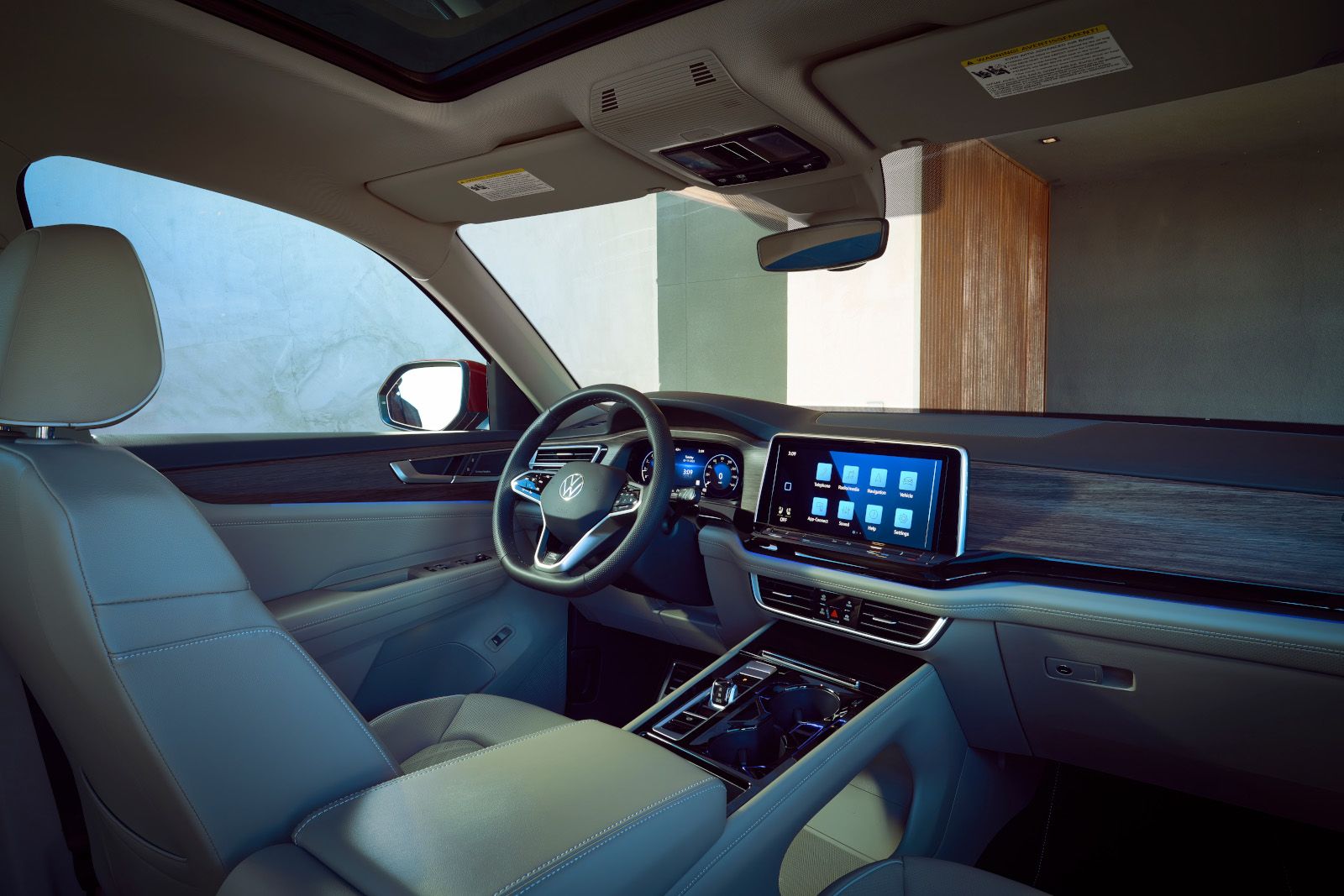
The most important distinction lives in the cabin. The Atlas offers three rows of seating for up to seven passengers, with an easy-access function that allows second-row seats to tilt and slide forward — useful for loading car seats or helping kids climb into the third row. With all seats folded, the Atlas delivers 2,735 L of cargo volume.
The Atlas Cross Sport drops the third row in favour of a sportier roofline and a larger dedicated cargo area behind the second row. With those seats folded, cargo space comes to 2,197 L — still substantial for road trip luggage, sports equipment, or weekend gear. For households that consistently travel with five or fewer people, the Cross Sport's layout may feel more efficient day-to-day.
The 2026 Atlas is available in Comfortline, Peak Edition, Highline, and Execline trims, all with 4MOTION AWD standard. The Atlas Cross Sport offers Comfortline, Highline, and Execline, also all 4MOTION. Entry trims on both models include the 12.0" touchscreen infotainment system, Volkswagen Digital Cockpit Pro, Park Distance Control with front and rear sensors, and Adaptive Cruise Control with Stop & Go.
Moving up the trim ladder on either vehicle adds features such as panoramic sunroof, premium audio, ventilated front seats, and area view 360° camera. The Execline on both models brings premium leather seating, heated and ventilated front seats with massage function, and a Harman Kardon audio system.
The Atlas is the stronger fit for larger households — families with three or more children, those who regularly need the third row for carpools, or buyers who want maximum cargo flexibility on longer drives. The 2,735 L of cargo volume seats-folded is a practical advantage when fully loaded.
The Atlas Cross Sport makes more sense when five-passenger capacity is the norm and you want a vehicle that sits slightly lower and looks distinctly different from a traditional SUV. The identical towing rating means there is no penalty for choosing the two-row layout if you haul a trailer.
Both models carry the same IQ.DRIVE safety suite as standard, the same powertrain, and the same AWD system — so the choice genuinely comes down to how many seats your life requires and which silhouette you prefer.
Ready to see how these two layouts compare side by side? Visit the team at Capilano Volkswagen in North Vancouver to walk through both the Atlas and Atlas Cross Sport and find the configuration that fits your family's needs.
Photo for illustrative purposes only.
Find out more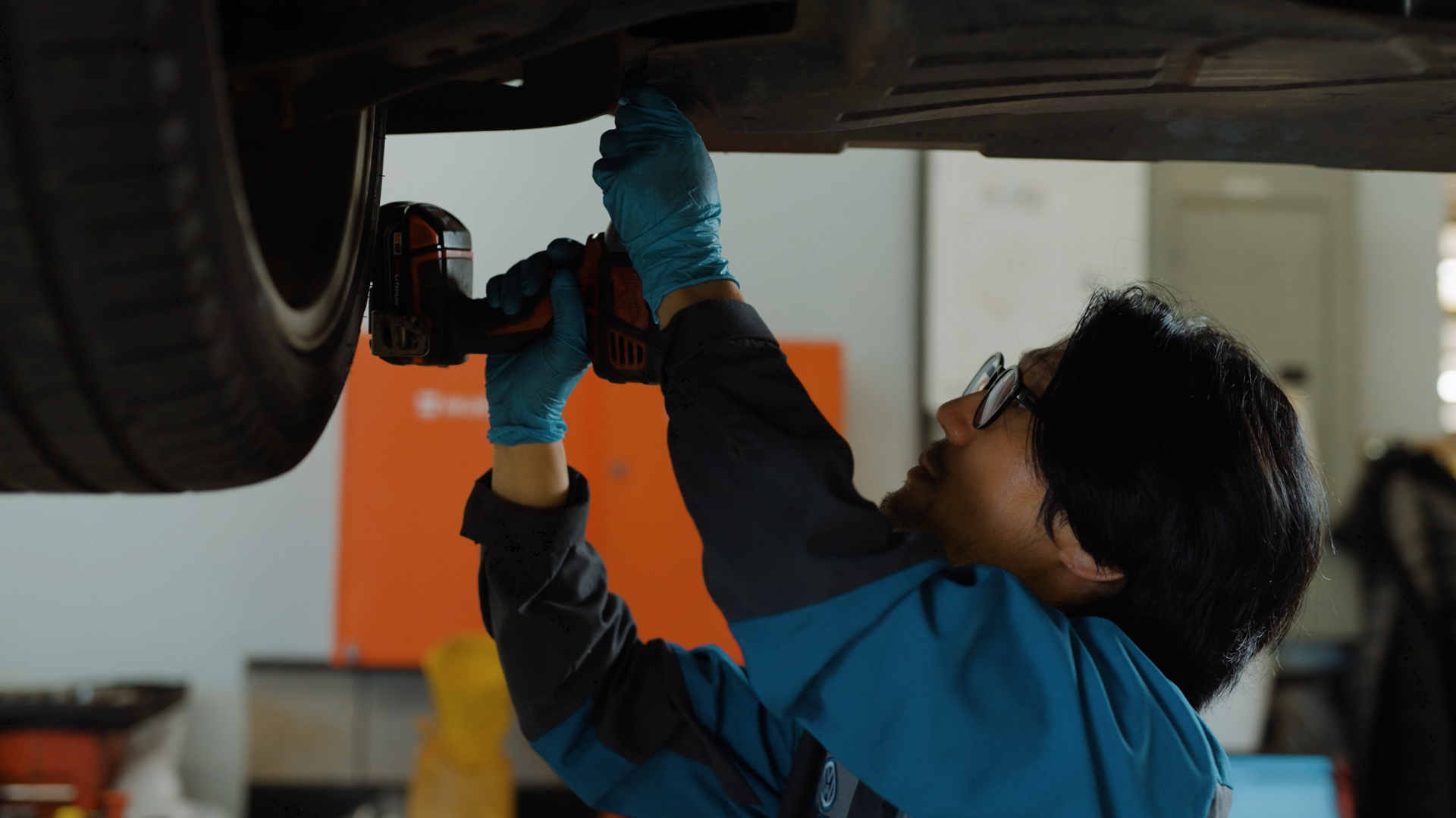
Volkswagen Maintenance Tips: What Every Owner Should Know
Capilano Volkswagen Maintenance Tips: What Every Owner Should Know Keeping your Volkswagen running at its best starts with proper maintenance. From...
Read more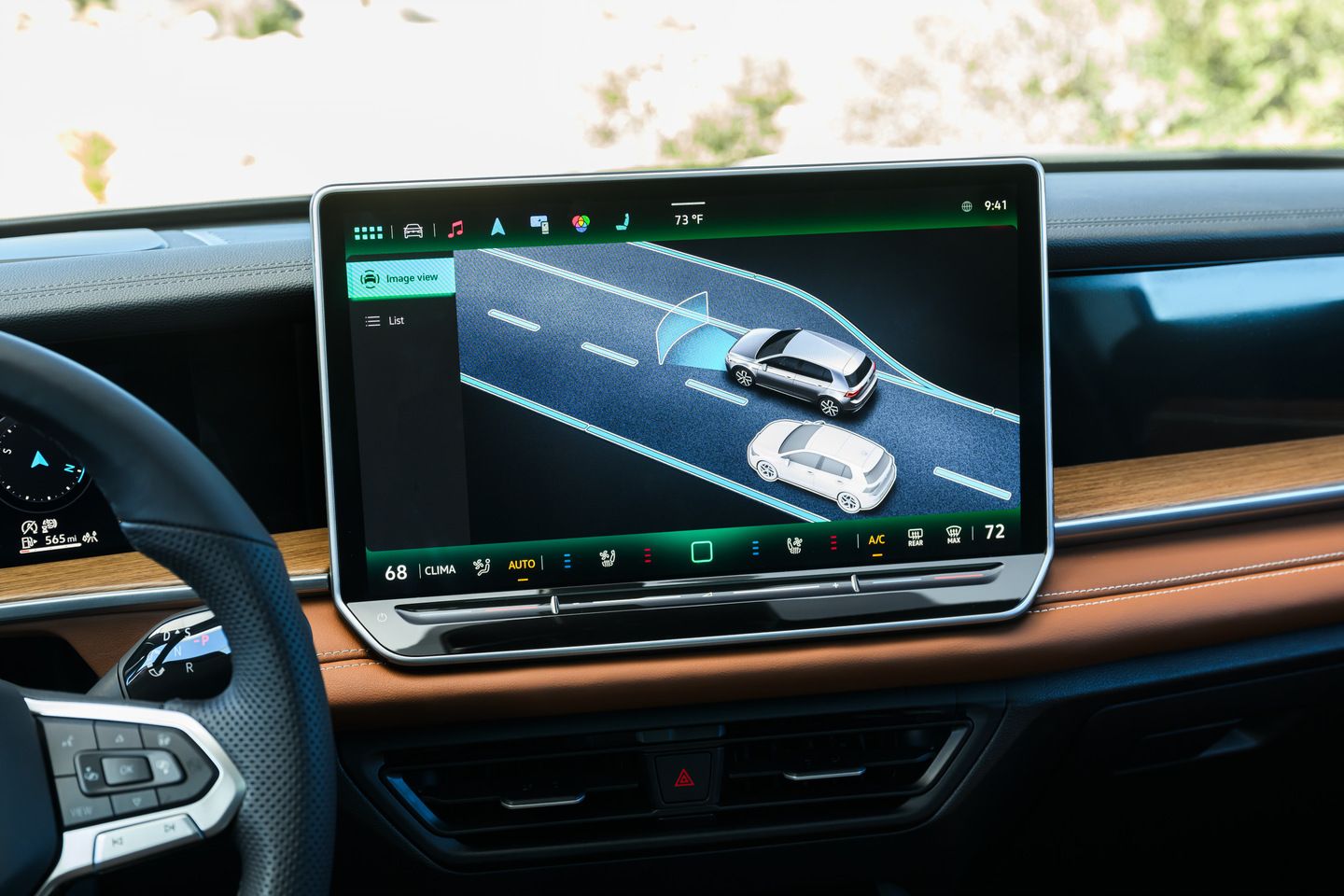
What Does IQ.DRIVE Include on the 2026 Volkswagen Tiguan?
Shopping for a new SUV in British Columbia usually means weighing a long list of driver-assistance acronyms against each other. The 2026 Volkswagen...
Read more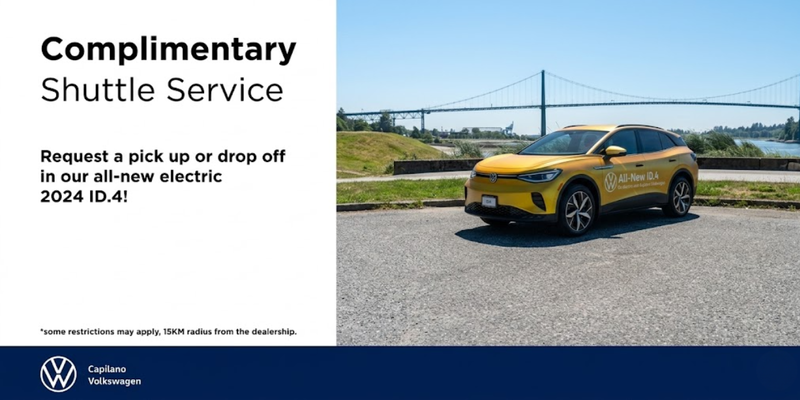
Complimentary Shuttle Service
Complimentary Shuttle Service at Capilano Volkswagen Getting your vehicle serviced doesn’t have to mean putting your day on hold. Capilano...
Read morePowered and developed by
