
Photo for illustrative purposes only.
Find out more
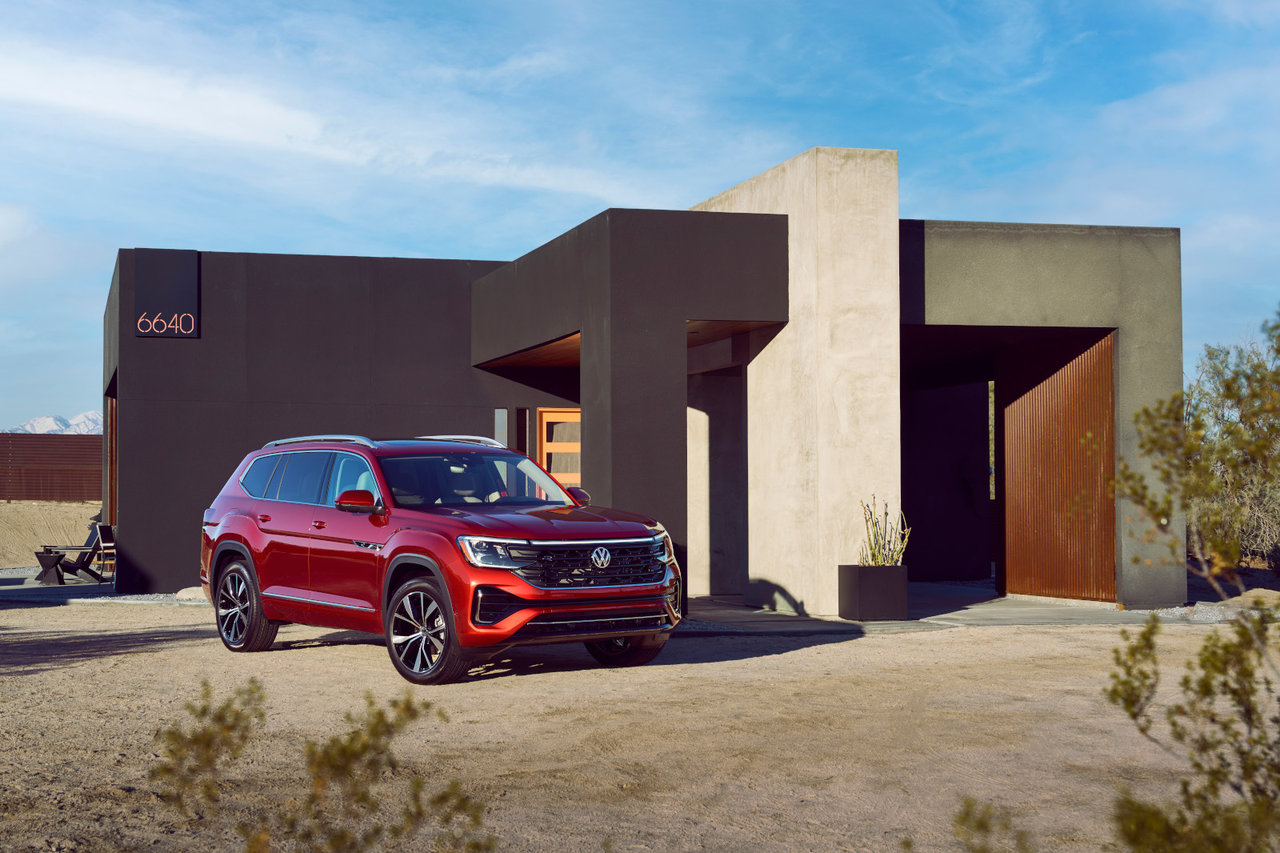
The 2026 Volkswagen Atlas holds up to 2,735 litres of cargo with the rear seats folded and tows up to 5,000 lbs (2,268 kg) when properly equipped. Standard 4MOTION all-wheel drive and a 269 hp turbocharged engine make it capable of hauling camping gear, bikes, or a small trailer for a BC summer road trip. Below is a full breakdown of cargo space, towing capacity, and how each trim compares.
Summer in British Columbia means loading up for a lake weekend, a bike trip, or a campsite booking with more gear than a sedan trunk can hold. Bikes, coolers, tents, and sometimes a small trailer all need somewhere to go before the drive even starts.
Choosing a three-row SUV for that job comes down to specifics: how much fits with the seats folded, what it can tow, and how it feels on a loaded highway run. The 2026 Volkswagen Atlas answers those questions with grounded numbers, not vague promises.
A family heading to a coastal campsite or up a mountain road for the weekend needs more than seating. They need to know the SUV won’t run out of room once bikes, a cooler, and camp gear are loaded, and that it can handle a trailer without feeling stretched.
Those two questions, cargo and towing, decide whether a trip is relaxed or a squeeze. British Columbia’s mix of highway stretches, elevation changes, and gravel access roads to campsites makes both numbers worth checking before deciding on a three-row SUV.
With all three rows in place, the Atlas keeps a cargo area sized for daily items: backpacks, grocery runs, and the everyday bins a family carries. Fold the second and third rows flat and that space opens up considerably for camping and bike gear.
|
Spec |
2026 Atlas |
|
Cargo volume (rows folded) |
2,735 L |
|
Max towing |
5,000 lbs (2,268 kg) |
|
Engine |
2.0L turbocharged I4, 269 hp, 273 lb-ft |
|
Transmission |
8-speed automatic with Tiptronic |
|
Drivetrain |
4MOTION all-wheel drive |
|
Seating |
7 passengers, 3 rows |
The second row uses a 60/40 split with accordion-style folding and an armrest, built for easy access to the third row even when gear is loaded in the back. That layout matters when a bike rack eats trunk space and passengers still need a way into the back seat.
The towing package supports up to 5,000 lbs (2,268 kg), but it does not include the mount and ball, so those need to be added before hitching a trailer. That distinction separates casual towing, a light utility trailer with kayaks or gear, from confident family-trip towing, where a loaded travel trailer needs the full package properly fitted and rated for the load.
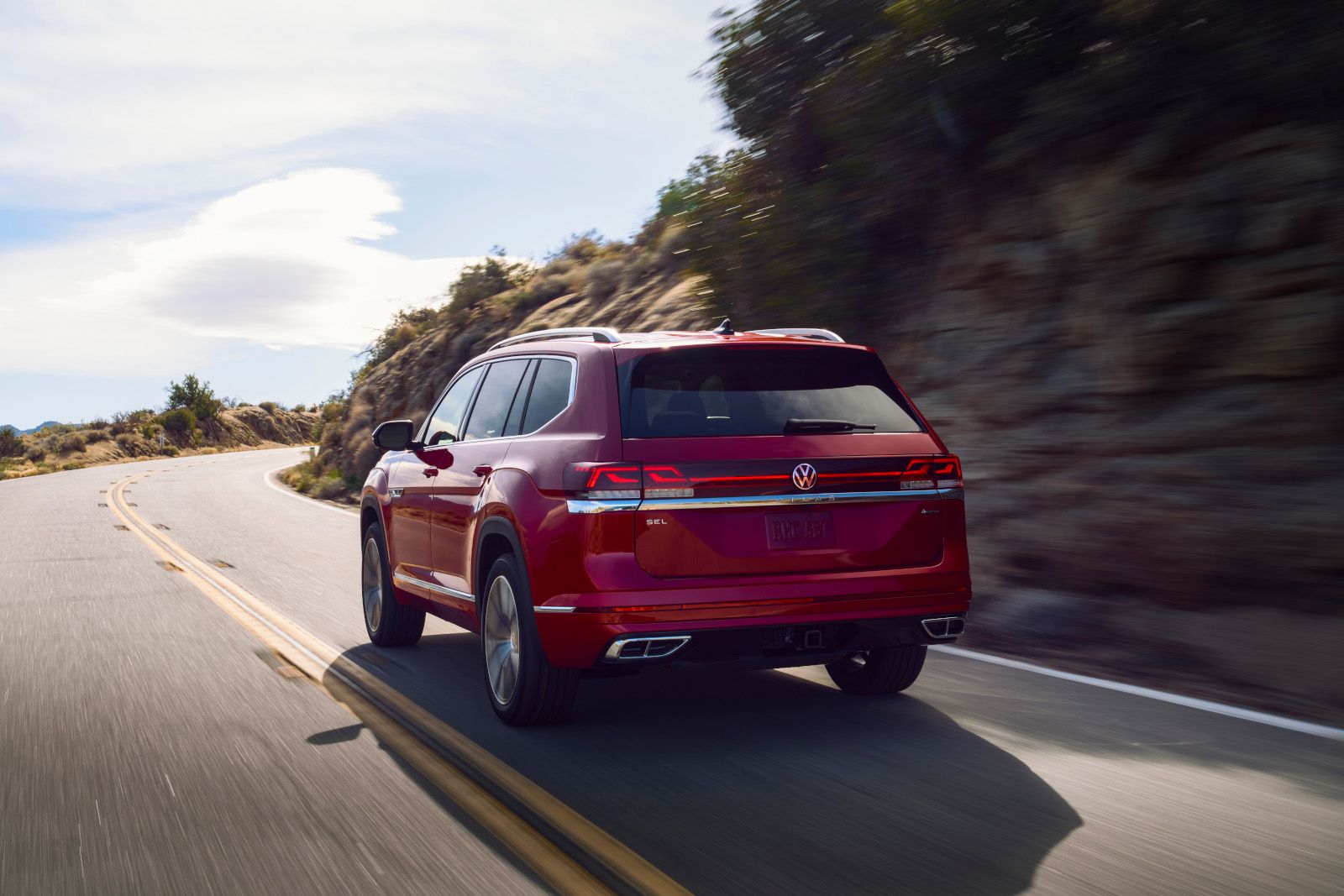
The Atlas runs a 2.0-litre turbocharged four-cylinder producing 269 hp and 273 lb-ft of torque, paired with an 8-speed automatic transmission with Tiptronic. That torque figure lands low in the rev range, which is what actually helps on a loaded highway merge or a climbing mountain grade, not peak horsepower.
4MOTION all-wheel drive sends power to all four wheels, useful when a summer afternoon in British Columbia turns from dry pavement to a sudden downpour on a mountain pass. It is standard equipment on the Atlas trims built around family travel, so a change in weather partway through a road trip does not mean a change in confidence.
Not every Atlas trim is built for the same kind of trip. The differences show up in wheels, tires, and the tech that supports long drives.
For a family that spends summer weekends on paved highways and resort parking lots, Highline or Execline add cameras and audio that make longer drives easier. For a family aiming at gravel campsite roads, the Peak Edition’s all-terrain tires answer a question the other trims don’t.
At 5,097 mm long, 1,990 mm wide (2,249 mm with mirrors extended), and riding a 2,980 mm wheelbase, the Atlas is a full-size three-row SUV. That footprint is the trade-off for the cargo and towing numbers above.
Park Distance Control front and rear sensors, plus the Area View 360° camera system on higher trims, help place the Atlas in a residential driveway or a tight parking stall without guesswork. A rearview camera with dynamic guidance lines is included as well, useful when backing up to a trailer hitch or a tight parking spot.
Families planning to tow a light trailer, camper, or boat while still seating seven get the clearest case for the Atlas: the 5,000 lb (2,268 kg) towing package and 2,735 L of folded cargo space cover both jobs without a second vehicle.
Cyclists who need to carry bikes and gear together benefit from the fold-flat second and third rows, which open enough room for bikes and duffel bags in one load. Buyers heading to gravel forest-access campsites should look at the Peak Edition’s all-terrain tires specifically, since the rest of the lineup runs all-season rubber.
Buyers who mostly drive around town and take one or two summer trips a year may not need the full towing package at all, but still get the 7-seat flexibility and 4MOTION AWD as standard ground clearance for changing conditions.
The 2026 Atlas pairs a 2,735 L cargo hold, a 5,000 lb (2,268 kg) towing package, and 4MOTION all-wheel drive with a 269 hp turbocharged engine built for loaded highway driving and mountain grades.
Visit Capilano Volkswagen in North Vancouver to see how the Atlas fits your summer plans, from bike racks to trailers, and to talk through which trim matches the trips you actually take.
Photo for illustrative purposes only.
Find out more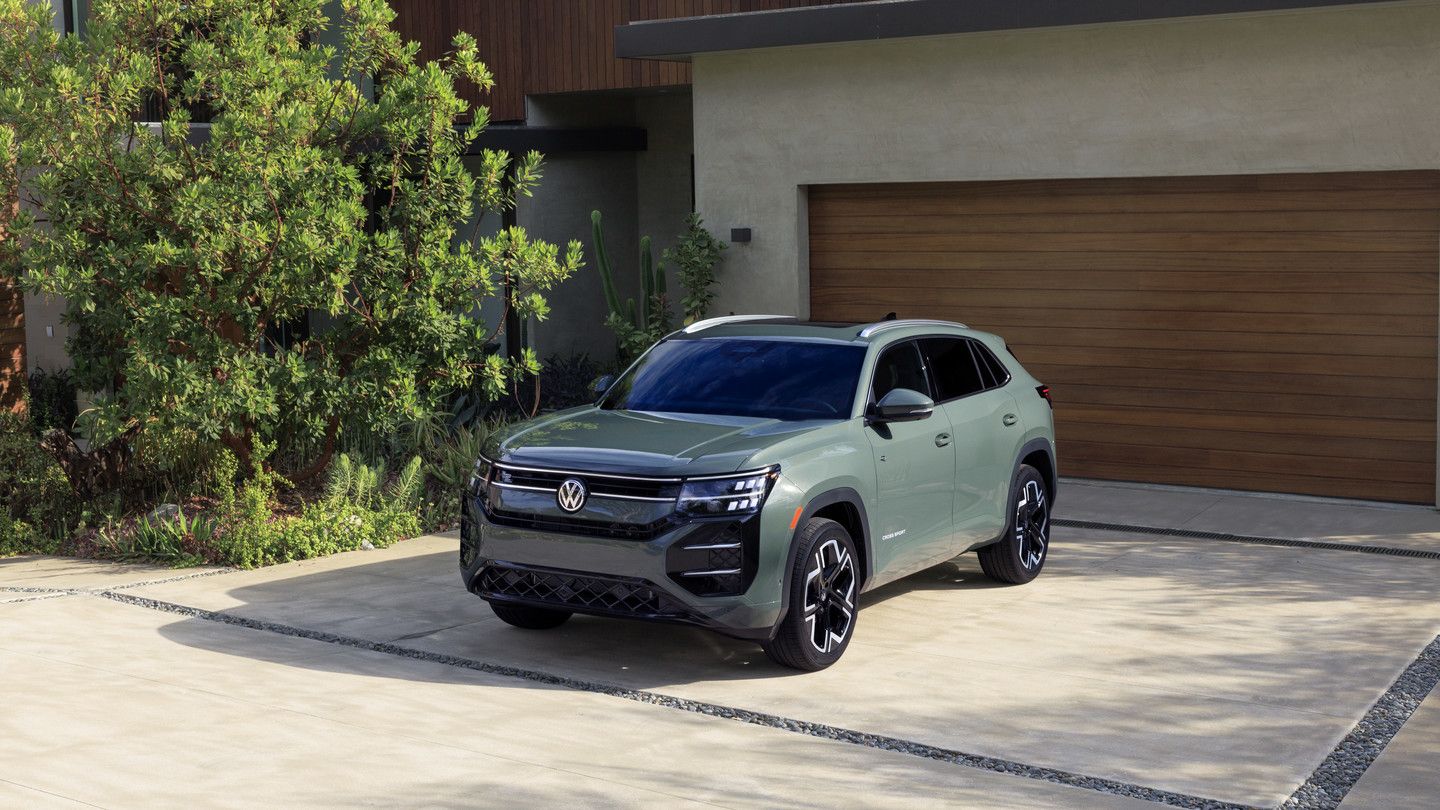
Volkswagen Officially Reveals the Second Generation 2027 Atlas Cross Sport
Volkswagen just pulled the cover off the second-generation 2027 Atlas Cross Sport, and British Columbia shoppers watching the two-row SUV segment...
Read more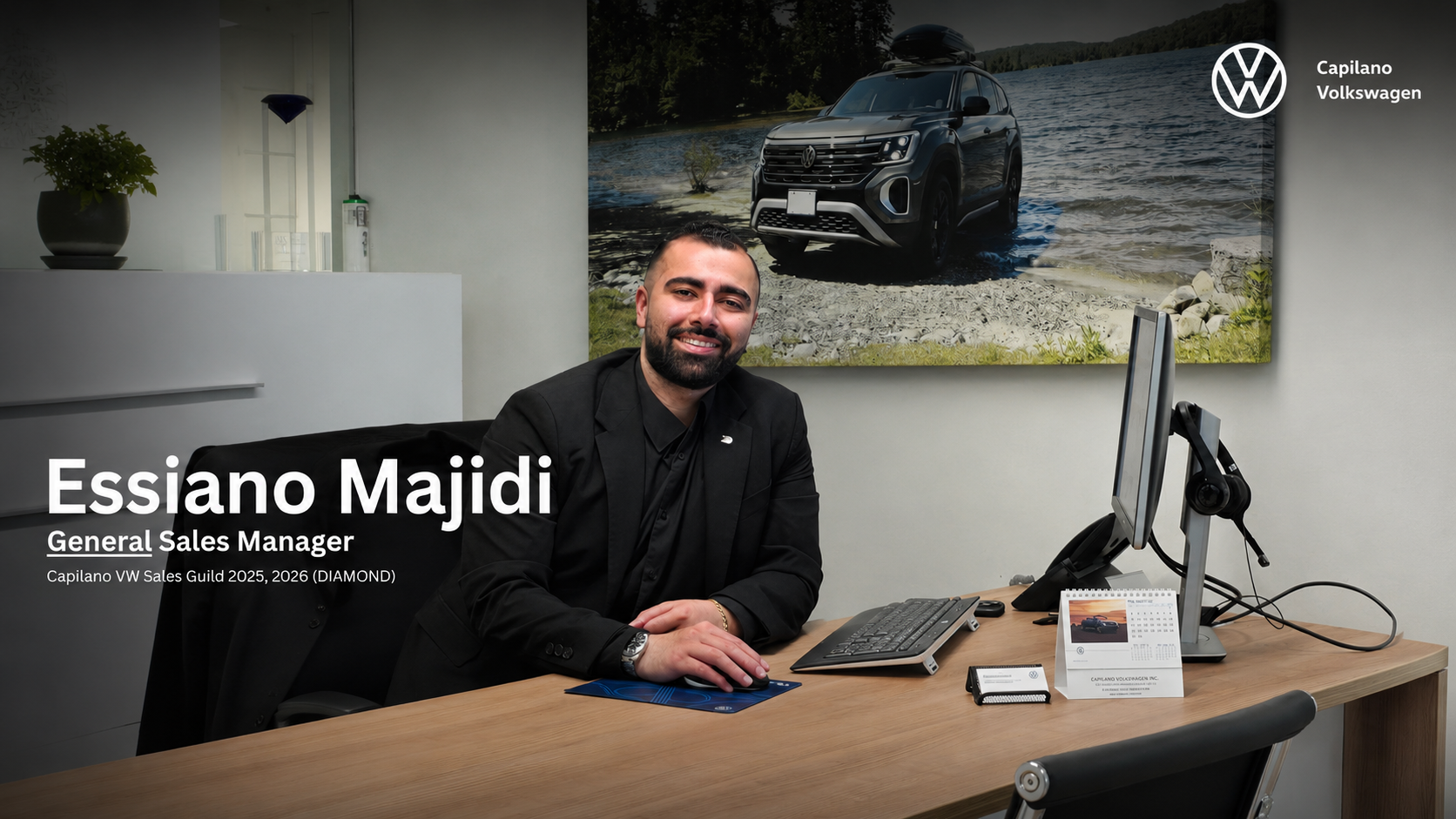
Essiano Majidi Promoted to General Sales Manager
Capilano Volkswagen Announces Essiano Majidi’s Promotion to General Sales Manager North Vancouver, BC | September 2026 — Capilano Volkswagen is...
Read more
Behind the Lens at Capilano Volkswagen
Behind the Lens: The Photography Behind Capilano Volkswagen North Vancouver, BC — August 2026 — Every vehicle has a story to tell, and photography...
Read morePowered and developed by
