From October 1, drivers on most BC highways must use winter-rated tires or carry chains where posted. The rule covers the Sea to Sky Highway, the Coquihalla, and most mountain and Interior routes, and runs until March 31 or April 30 depending on the route. A legal tire carries the mountain and snowflake symbol or the M+S symbol and has at least 3.5 mm of tread.
When do I need winter tires in BC?
On designated highways, from October 1 until March 31 or April 30, depending on the route. Routes through mountain passes and high snowfall areas run to April 30. Regulatory signs at the start of each corridor show which dates apply, and the Province can extend them when conditions call for it. See the Province of BC route maps for the full list.
Do I need winter tires in North Vancouver?
Metro Vancouver city streets are not designated routes, so the rule does not apply on your daily drive around the North Shore. It applies the moment you head up the Sea to Sky or across a mountain pass. North Shore hills also see snow and ice most winters, which is why many local drivers switch to winter tires anyway.
Do I need winter tires on the Sea to Sky Highway?
Yes. Highway 99 between Vancouver and Whistler is a designated route. Police and enforcement officers run checks, and drivers without compliant tires can be turned back and fined.
What counts as a legal winter tire in BC?
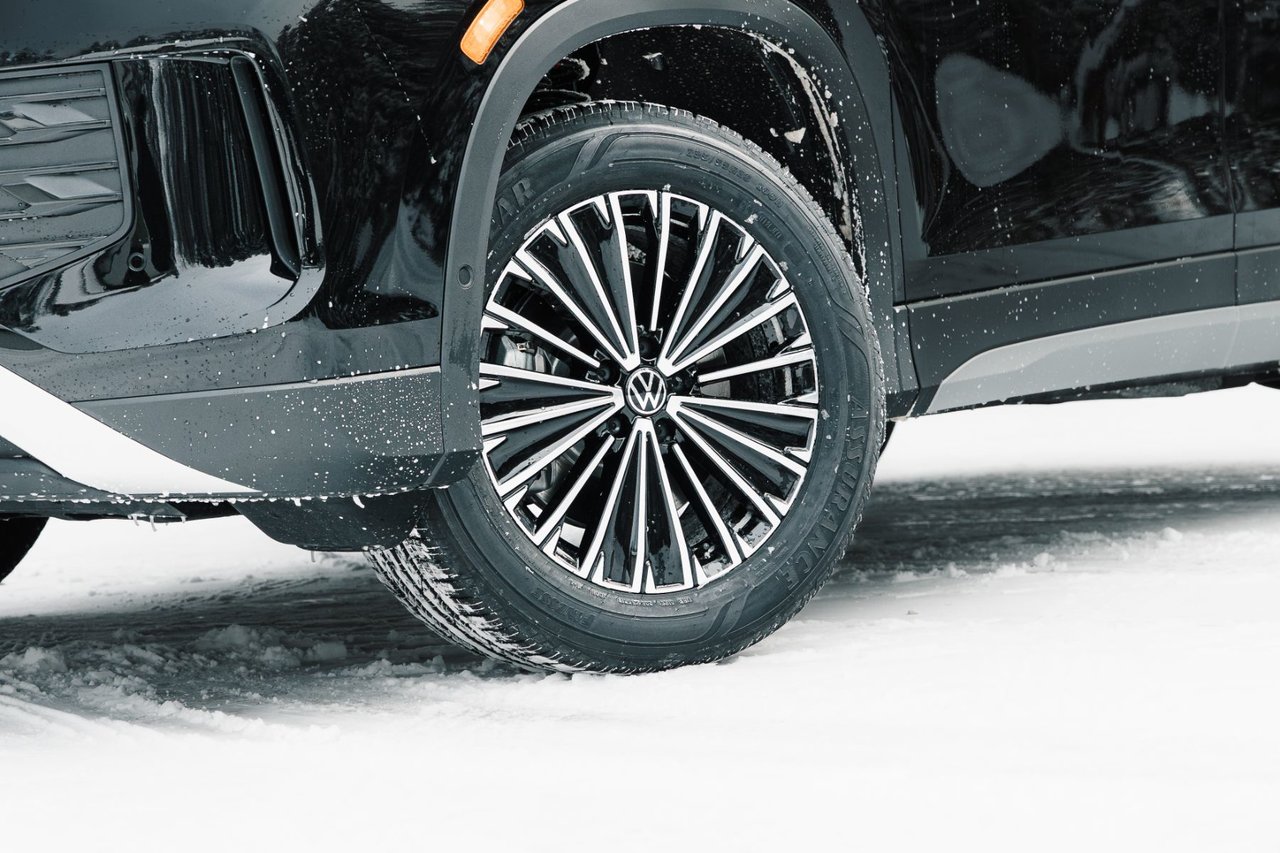
A tire marked with either the three-peaked mountain and snowflake symbol or the M+S (mud and snow) symbol, with at least 3.5 mm of tread. Many all-season tires carry the M+S marking, so they meet the legal minimum.
Is the legal minimum the best choice?
Not for snow and ice. Tires with the mountain and snowflake symbol use rubber compounds and tread patterns that stay flexible in the cold, and they stop and turn better on snow than M+S all-seasons. If you drive to the local ski hills, the Sea to Sky, or the Interior in winter, dedicated winter tires are the safer choice.
Do I need winter tires if my Volkswagen has AWD?
Yes. The rule has no exception for AWD. 4MOTION helps you get moving on snow by sending power to the wheels with grip, but it does not help you stop or steer, because that grip comes from the tires. An AWD SUV on worn all-seasons can take longer to stop on snow than a front-wheel-drive car on winter tires.
Which Volkswagen models have AWD?
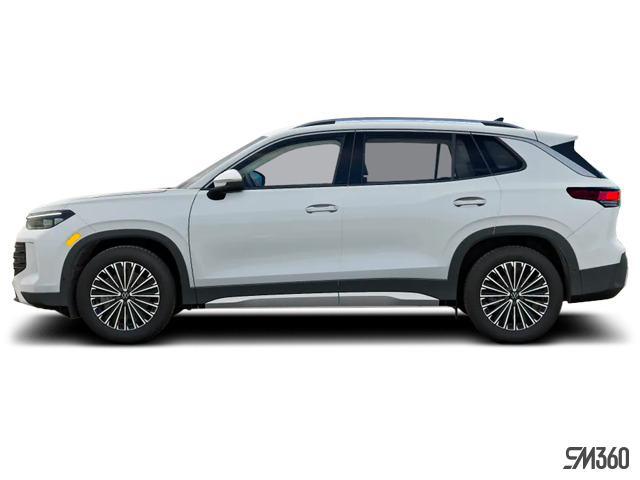 Tiguan
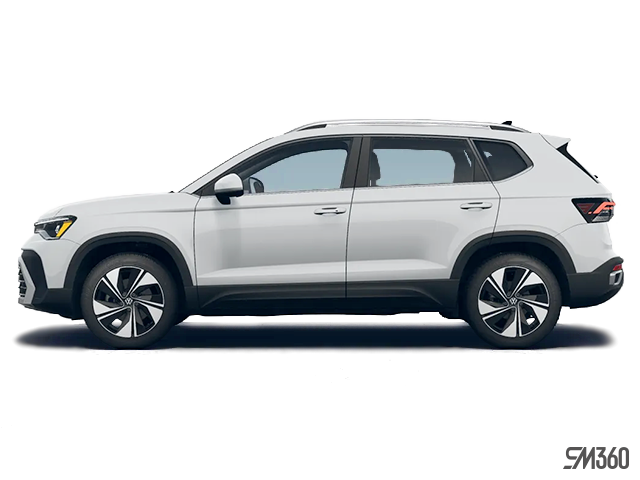 Taos
Taos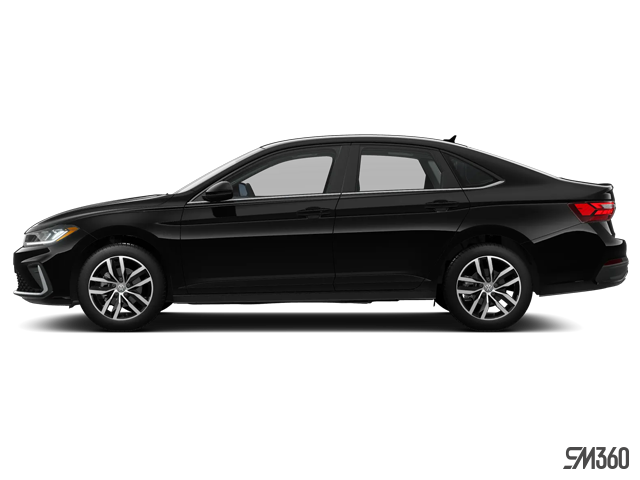 Jetta
Jetta| Model | Drivetrain |
|---|---|
| 2026 Tiguan | 4MOTION AWD standard on every trim |
| 2026 Taos | FWD on Trendline; 4MOTION AWD on every other trim |
| 2026 Jetta | Front-wheel drive only |
| 2026 Golf R | 4MOTION AWD |
Whichever you drive, the tire rule is the same.
How do I check my tread depth?
Use a tread depth gauge at several points across each tire. Many tires also have tread wear bars moulded into the grooves. If your tires are close to 3.5 mm, they are close to the legal limit for designated routes, and their snow performance will already have dropped.
Get winter-ready at Capilano Volkswagen
The Tire Centre at Capilano Volkswagen, 1151 Marine Drive in North Vancouver, offers winter tire packages sized for your Volkswagen and can install them for you. Book before the first snow to get the time slot you want.